
"historic building reuse"
14000 article(s) found

Have you ever had coffee, pulp and tea? Is it coffee or tea?
Professional coffee knowledge exchange more coffee bean information Please pay attention to the coffee workshop (Wechat official account cafe_style) since the rise of hand-brewed and freshly brewed coffee, as well as the increase in tea demand, the boutique coffee industry and the tea industry have changed greatly in recent years. Among them, there is a new exotic drink called Cascara, also called coffee pulp tea, even though this drink

Chinese Coffee History Coffee Development History of Coffee in China
According to historical records, coffee trees were first planted in Taiwan in 1884, and coffee cultivation in mainland China began in Yunnan. In 1902, a French missionary named Tian introduced seeds from Yinggong County in Binchuan County, Yunnan Province. it was successfully planted in a place called Zhu Kula, which is located on the bank of the Yushan River, a tributary of the Jinsha River. The commercial cultivation of coffee in Yunnan began in 1985, but its development is slow.

Understand the development history of coffee in China
According to historical data, Taiwan's cultivation was successful for the first time in 1884. Coffee trees were planted in China, and coffee cultivation on the continent began in Yunnan. In 1902, seeds were introduced by a French missionary named Tian in Yingong, Binchuan County, Yunnan Province. it was successfully planted in a place called Zhu Kula, which is located on the bank of the Yushan River, a tributary of the Jinsha River. The commercial cultivation of coffee in Yunnan began in 1985, but it has grown.

Do you know the use of coffee pulp? How do you make coffee peel tea? What's the effect?
Professional coffee knowledge exchange more coffee bean information Please pay attention to the coffee workshop (Wechat official account cafe_style) since the rise of hand-brewed and freshly brewed coffee, as well as the increase in tea demand, the boutique coffee industry and the tea industry have changed greatly in recent years. Among them, there is a new drink full of exotic flavor, which is called

The effect of filtering the quality of coffee on coffee flavor.
With the rising awareness of environmental protection, some manufacturers have begun to develop metal filters to save the use of one piece of filter paper at a time. As long as they are cleaned after use and can be reused next time, they are made of stainless steel and are durable and strong. It is recommended to use a clean toothbrush after use, coupled with edible baking soda powder to remove oil, so that the next brewing taste will not be affected. It is also quite tolerable to buy.

What is treated with Costa Rican coffee honey? Introduction to the traditional way of brewing coffee in Costa Rica
Last year, Costa Rica produced more than 85 million kilograms of coffee. Coffee has been grown in the country since the 18th century. Despite fluctuations in coffee exports in recent years, it remains an important part of the Costa Rican economy. However, in addition to production, Costa Rica also has a rich and unique coffee consumption culture. Using a shredder to make coffee is such an example.

The basic method of making iced coffee Shanghai learn coffee dessert
1) Equipment for making ice drop coffee 1) Ice drop coffee maker 2. Ice drop coffee beans 3. Bean grinder 4. Pellet filter paper 5. Shaping glass 2) Ice drop coffee usage 1. Rinse all glassware, filter cloths and filters with clean water before and after use. 2. Discard the filter paper immediately after use. Do not reuse it. 3. Filter cloth on filter cloth
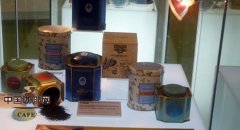
The History of Coffee in China the history of coffee in China
According to historical records, coffee trees were first planted in Taiwan in 1884, and coffee cultivation in mainland China began in Yunnan. In 1902, a French missionary named Tian introduced seeds from Yinggong County in Binchuan County, Yunnan Province. it was successfully planted in a place called Zhu Kula, which is located on the bank of the Yushan River, a tributary of the Jinsha River. The commercial cultivation of coffee in Yunnan began in 1985, but its development is slow.

The spread of Coffee in China China's own unique coffee culture
According to historical records, coffee trees were first planted in Taiwan in 1884, and coffee cultivation in mainland China began in Yunnan. In 1902, a French missionary named Tian introduced seeds from Yinggong County in Binchuan County, Yunnan Province. it was successfully planted in a place called Zhu Kula, which is located on the bank of the Yushan River, a tributary of the Jinsha River. The commercial cultivation of coffee in Yunnan began in 1985, but its development is slow.
Development of Coffee Industry in Simao District
Shenjiu flew into the sky and attracted worldwide attention. The three kinds of seeds of Simao pine, big-leaf tea and small-grain coffee carried in Pu'er city have entered into space, marking a new milestone in Pu'er coffee breeding. In the face of the central western development strategy and the historical opportunity of Yunnan Province to build a strong green economy province, there are a series of opportunities around Pu'er to build a national green economy experimental and demonstration zone and to build a coffee capital of China.

The basic knowledge of Coffee Culture the History of Coffee in China
According to historical records, coffee trees were first planted in Taiwan in 1884, and coffee cultivation in mainland China began in Yunnan. In 1902, a French missionary named Tian introduced seeds from Yinggong County in Binchuan County, Yunnan Province. it was successfully planted in a place called Zhu Kula, which is located on the bank of the Yushan River, a tributary of the Jinsha River. The commercial cultivation of coffee in Yunnan began in 1985, but its development is slow.

The History of Coffee in China the History of Chinese Coffee Culture
According to historical records, coffee trees were first planted in Taiwan in 1884, and coffee cultivation in mainland China began in Yunnan. In 1902, a French missionary named Tian introduced seeds from Yinggong County in Binchuan County, Yunnan Province. it was successfully planted in a place called Zhu Kula, which is located on the bank of the Yushan River, a tributary of the Jinsha River. The commercial cultivation of coffee in Yunnan began in 1985, but its development is slow.
Explore the history of Chinese coffee spread
According to historical records, planting in Taiwan was successful for the first time in 1884. Since then, coffee trees have been planted in China. Coffee planting in Daliu began in Yunnan Province. In 1902, a French missionary named Tian introduced seeds from India and Gong, and planted them successfully in Binchuan County, Yunnan Province, located in Zhukula, a tributary of Jinsha River. Commercial cultivation of Yunnan coffee began in 1985, but the development was slow.
General knowledge of Fine Coffee Culture on the History of Coffee in China
According to historical records, coffee trees were first planted in Taiwan in 1884, and coffee cultivation in mainland China began in Yunnan. In 1902, a French missionary named Tian introduced seeds from Yinggong County in Binchuan County, Yunnan Province. it was successfully planted in a place called Zhu Kula, which is located on the bank of the Yushan River, a tributary of the Jinsha River. The commercial cultivation of coffee in Yunnan began in 1985, but its development is slow.

In the only country in the world that uses leaking coffee cups, it's hard not to be leisurely.
When it comes to the taste of Vietnam, coffee must be essential. As the only country in the world that uses leaky coffee cups, Vietnam's coffee culture is difficult not to be leisurely. Boiling water slowly seeped through the coffee powder and fell into condensed milk, the thick aroma lingered around you, five or six minutes of waiting dripped out the patience of the Vietnamese, but also dripped out the slow pace of life here.

Dadaocheng combines new and old characteristics, small shop, coffee shop, stealthy alley.
The exchange of professional baristas please follow the coffee workshop (Wechat official account cafe_style) Dadaocheng, which is famous for selling northern and southern goods, traditional Chinese medicine and fabrics. In recent years, many small shops and cafes have been settled, new and old shops have hidden alleys to stimulate the city's alternative scenery, and there is a ballad park at the back of the business district. (central News Agency reporter Liu Jianbang, Taipei, 28th)
General steps of coffee encyclopedia coffee enema
One: after cleaning the enema bag, close the water stop valve coffee enema bag, which is actually a nasogastric tube on the drip bag, which can be bought in general medical equipment stores. Clean after each use and can be reused. Second: add coffee enema to about 37 ℃ of warm water, in addition to adding warm water close to human body temperature, it is also recommended to add about 0.5g of sea.

Introduction to the taste and flavor of the historical and cultural cultivation of coffee in Bali, Indonesia
Follow the caf é (official Wechat account vdailycom) and find that Beautiful Cafe opens a small shop of its own [country]: Indonesia [production area]: Kintamani volcano area [altitude]: 1400 m [harvest season]: June to September every year [treatment]: sun [variety]: USDA, Karka, Smai 795 [treatment plant]: Ubu treatment plant

Haikou Peilong Houjie Ancient Rhyme Famous City Coffee Aroma Overflowing Quartet
Peilong Back Street Food Street adds Qiongshan characteristic architectural elements on the basis of retaining the original architectural style, striving to integrate historical culture and modern cuisine, so that the thick history represented by the ancient city wall radiates vitality and becomes a platform for history and food! Old House Coffee is located in Peilong Food Street on the intermediary road in Qiongshan District. In terms of decoration, originality and persistence in repair

Coffee on tatami! Starbucks Kyoto Erning Sakasaka Tea House is a century-old house
Professional barista communication Please pay attention to coffee workshop (Weixin Official Accounts cafe_style) When most brands build chain stores, in order to highlight the brand logo, they basically adopt uniform decoration style and make some fine adjustments according to the store layout; however, this kind of space design method, which can be identified at a glance and has not much similarities and differences between each store, seems too uniform and uniform for customers.